
Bringing your dog or cat to Germany from the USA in 2026
Last updated: September 6, 2026: verified against official sources (European Commission, USDA APHIS, UK GOV.UK, US CDC).
Germany follows the EU-wide pet travel regulation, with one practical detail to know: your EU health certificate must be understandable by the border officials (English is accepted) and you should carry it with your travel documents. As long as the paperwork is valid, there is no quarantine.
Carry the originals, not copies
The endorsed EU health certificate is presented at the border and stays with the animal for the whole trip. German checks are routine, and the certificate is only valid 10 days.
Originals only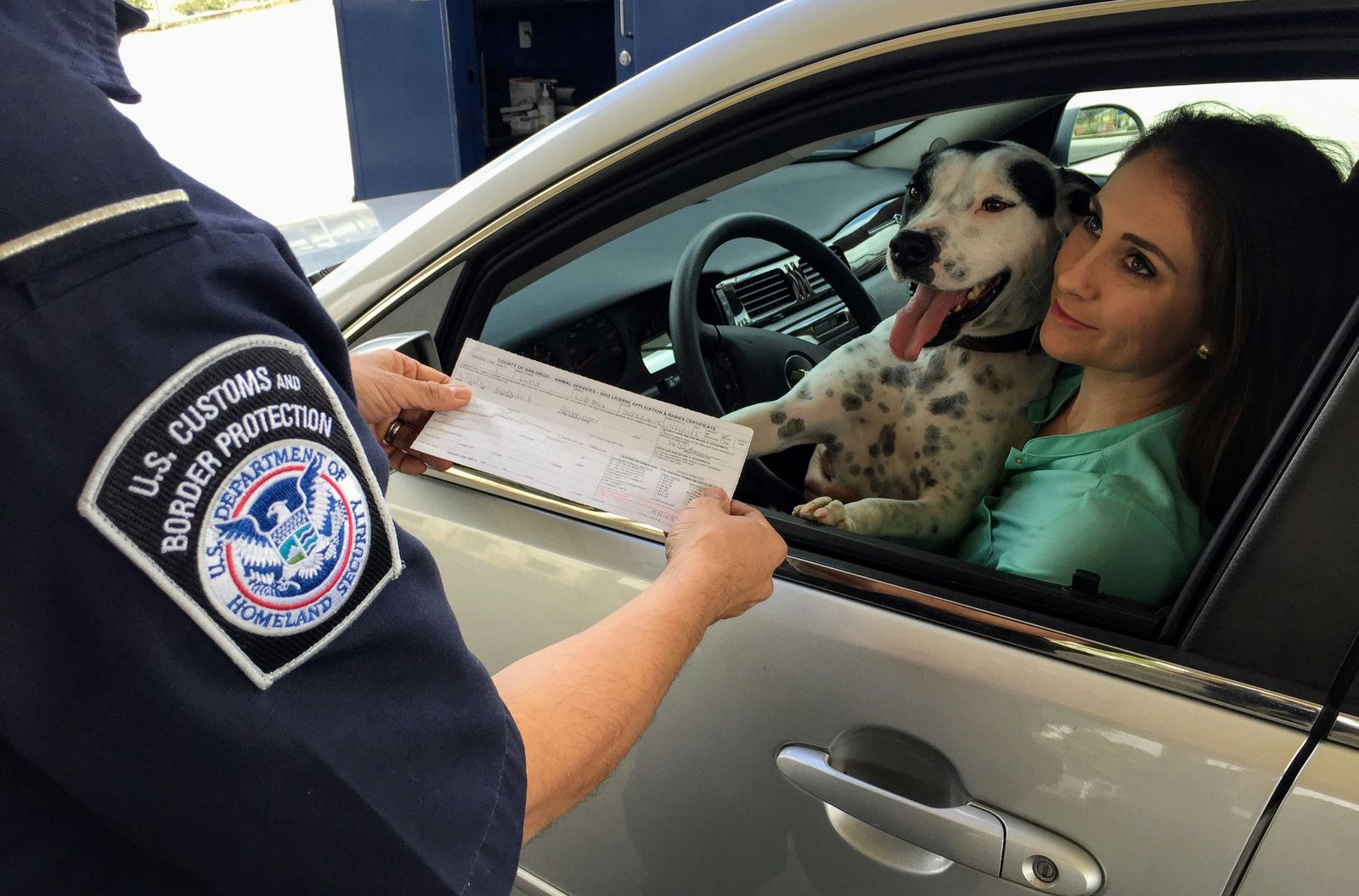
The 4 steps
- Microchip (ISO 11784/11785) first: Your pet must be microchipped BEFORE the rabies shot. A vaccination given before the chip does not count.
- Rabies vaccination ≥ 21 days before arrival: The vaccine must be given after the microchip and at least 21 days before entering the EU. It must stay valid on travel day.
- USDA-endorsed EU health certificate ≤ 10 days: A USDA-accredited vet issues the EU health certificate, then USDA APHIS endorses it. Valid 10 days from issue to arrival in the EU.
- Arrive via an approved EU point of entry: Germany designates 37 entry points (24 airports, 7 road borders, 7 ports), and each has published opening hours.
37 entry points, and their opening hours decide your flight
Germany designates 37 points of entry for pets: 24 airports, 7 road borders and 7 ports. It is one of the few countries in the EU where the official list includes land crossings as well as air and sea, which matters if you are driving a pet in from outside the EU. Frankfurt and Munich take most of the long-haul pet traffic from the USA.
The detail that changes a booking: Germany publishes the opening hours of each checkpoint, and they are not the same. The veterinary service at a given airport is open for a limited window, and the German list states it point by point. Stuttgart airport, for example, is open to pet checks Monday to Friday from 8:00 to 12:00, with some afternoons, and nothing at the weekend. Berlin-Brandenburg runs 6:00 to 22:00 on weekdays and 08:30 to 17:00 on weekends and public holidays. Munich is open 8:00 to 18:00 Monday to Friday.
The consequence is blunt: a pet arriving at an entry point outside its opening hours has no veterinary service to clear it, however complete the paperwork. Before fixing a flight, check the hours of the specific German airport you are using, and prefer an arrival during its published window. This is the single most useful thing on this page.
The German list also names, for each point, the competent local authority with its address, phone number and email, so you know who to contact directly rather than calling the airport in general.
Frequently asked questions
Are there breed restrictions in Germany?
Germany has no federal import ban on specific breeds, but some states (Länder) apply restrictions: check your destination state if your dog is on a restricted list.
How early should I start?
Start 6-8 weeks before travel: the 21-day rabies wait plus vet appointment and USDA endorsement take time.
Is the EU certificate valid for a return to the USA?
No, returning to the USA follows CDC rules, not EU rules. See our USA page for the CDC Dog Import Form.
Does the arrival time matter in Germany?
Yes. Each German entry point has published opening hours for the veterinary check, and some are closed at weekends. Stuttgart, for example, checks pets only on weekday mornings. Check the hours of your specific airport before booking.
Can I bring a pet into Germany by road?
Yes. Germany is one of the EU countries that lists road border crossings among its designated entry points, alongside 24 airports and 7 ports.
Official sources
- BMLEH (Germany), list of German entry points with opening hours: bmleh.de, entry points list (PDF)
- European Commission, pet movement: food.ec.europa.eu/animals/movement-pets_en
- USDA APHIS pet travel: aphis.usda.gov/pet-travel
- US CDC dog import: cdc.gov/importation/dogs.html
- UK GOV.UK: gov.uk/take-pet-abroad